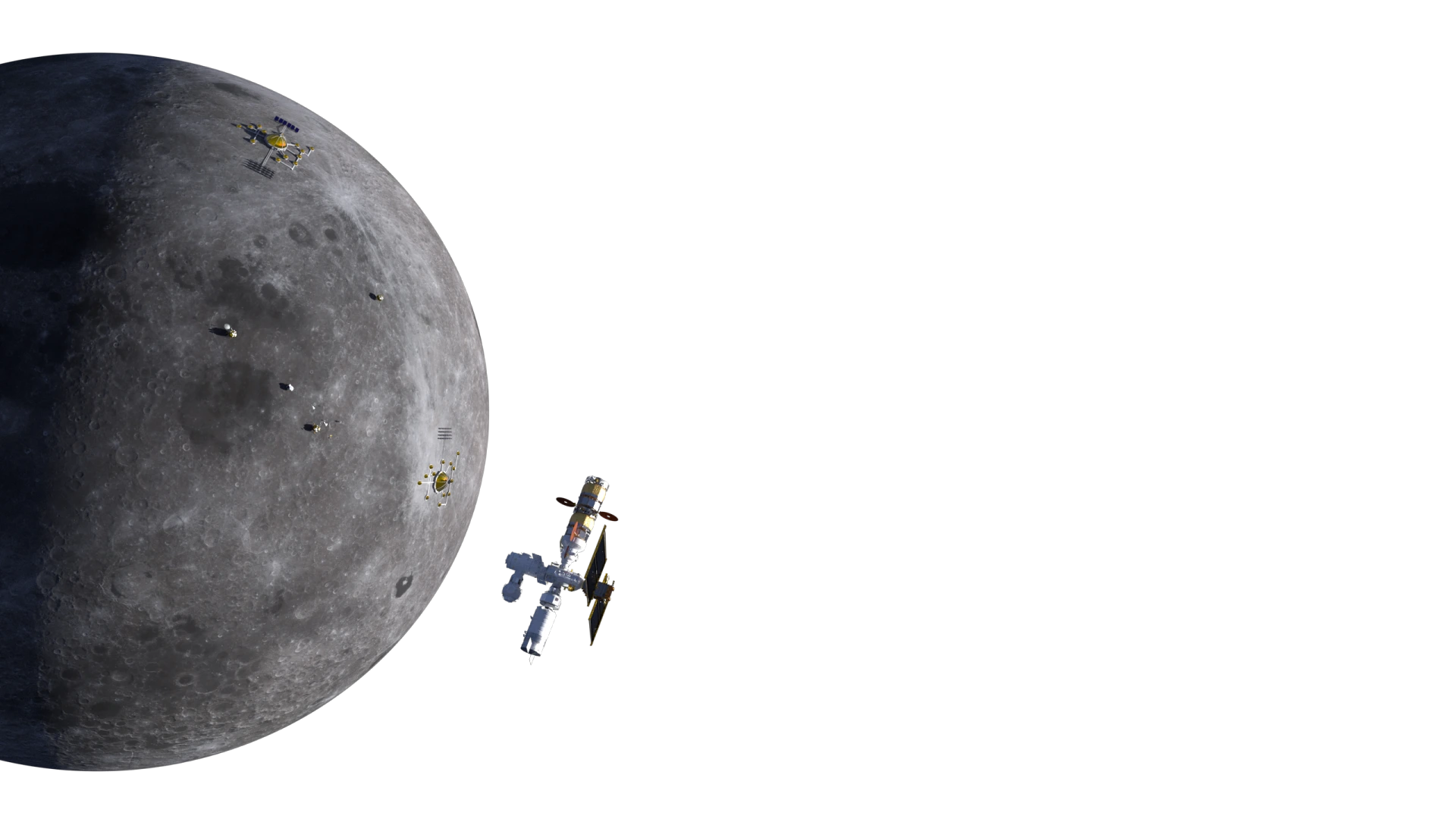
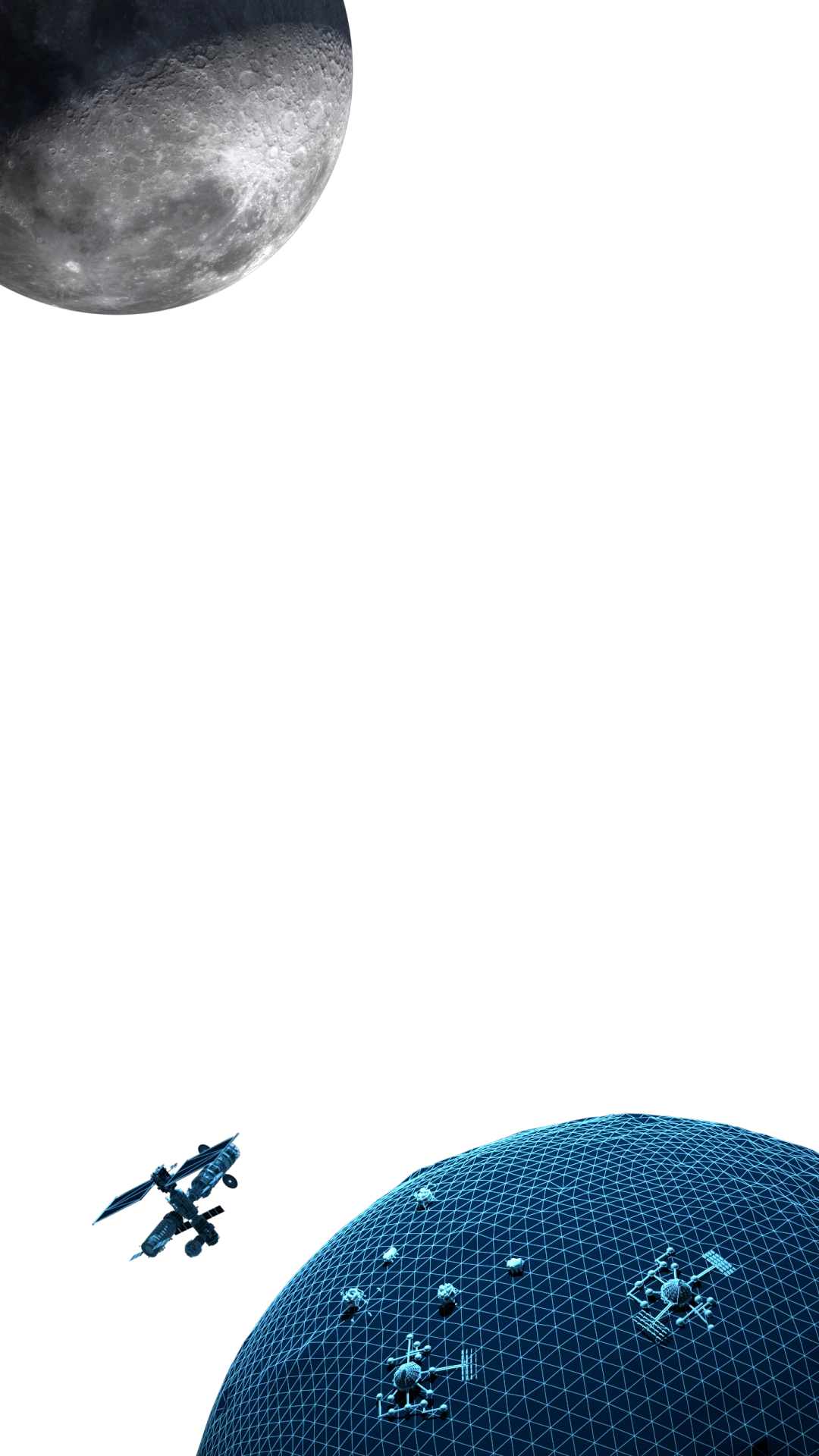
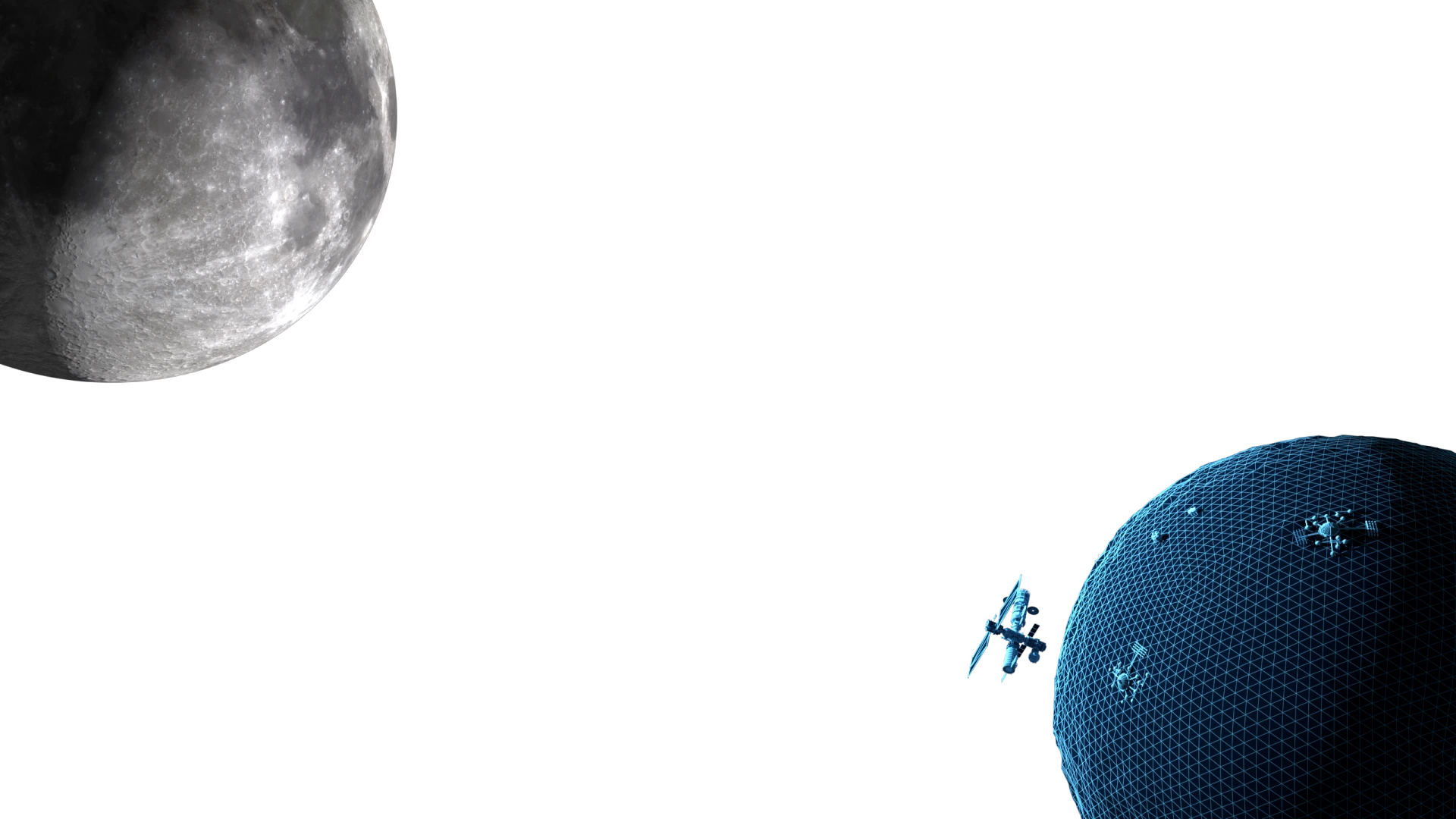
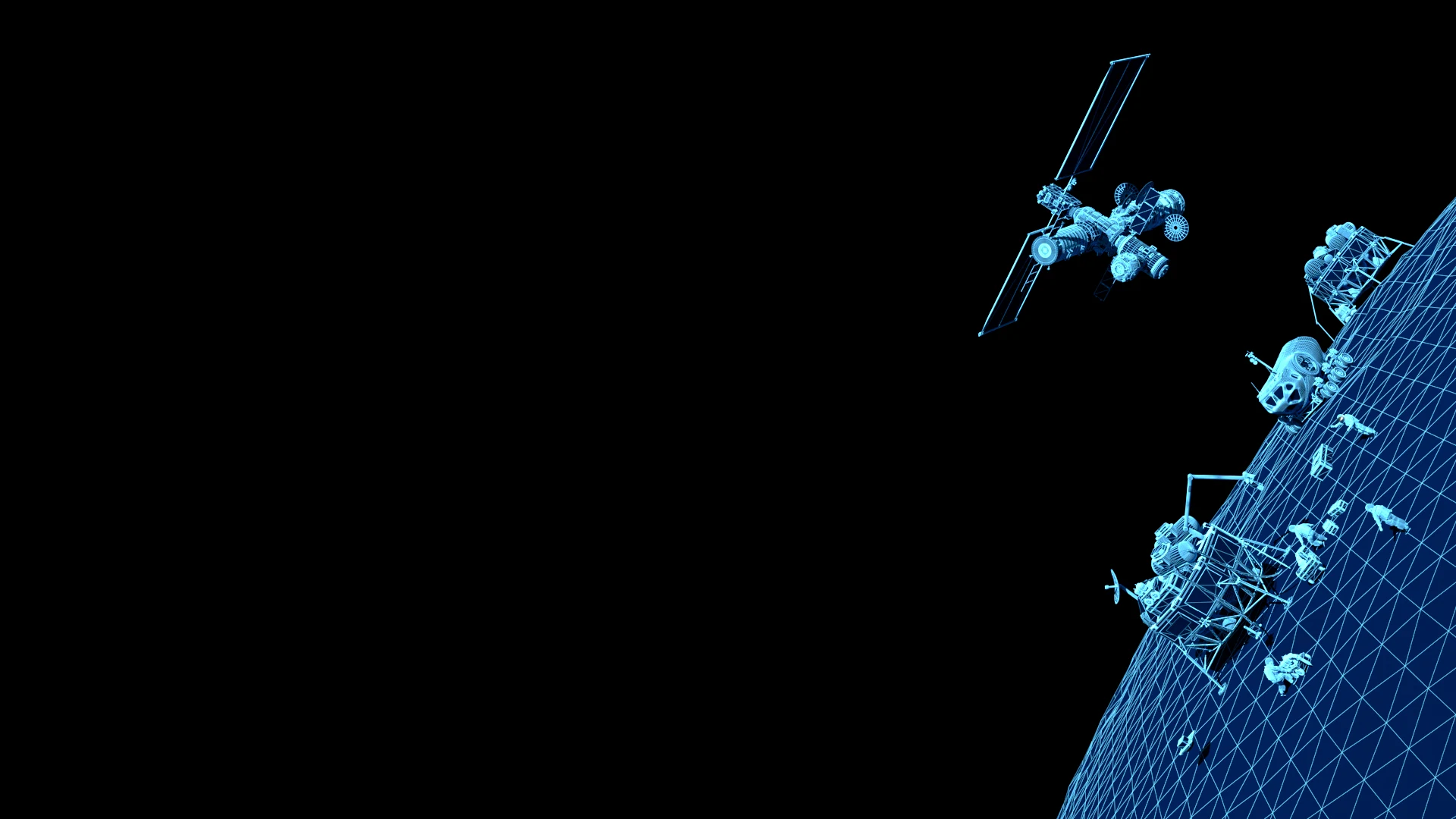
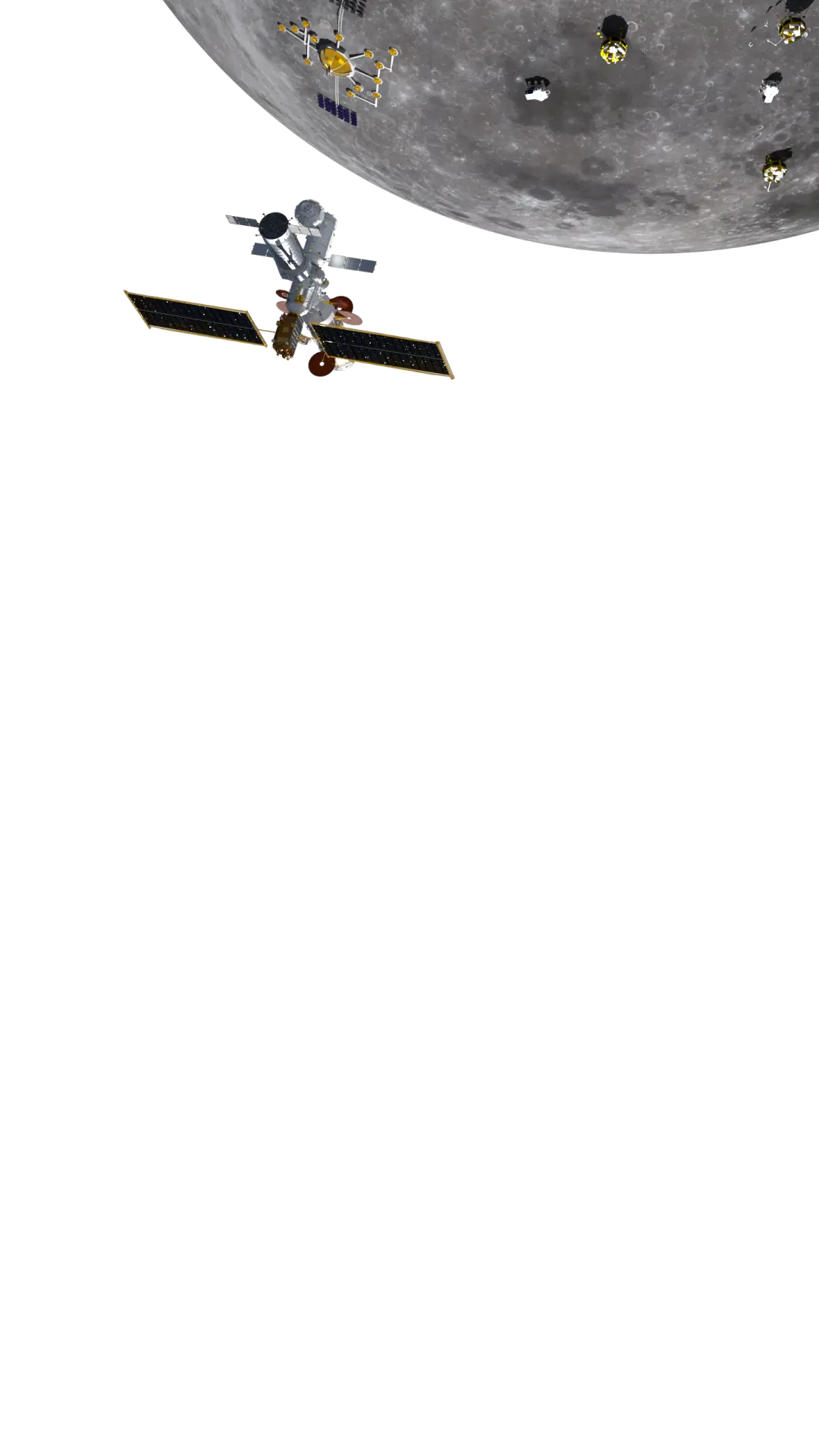
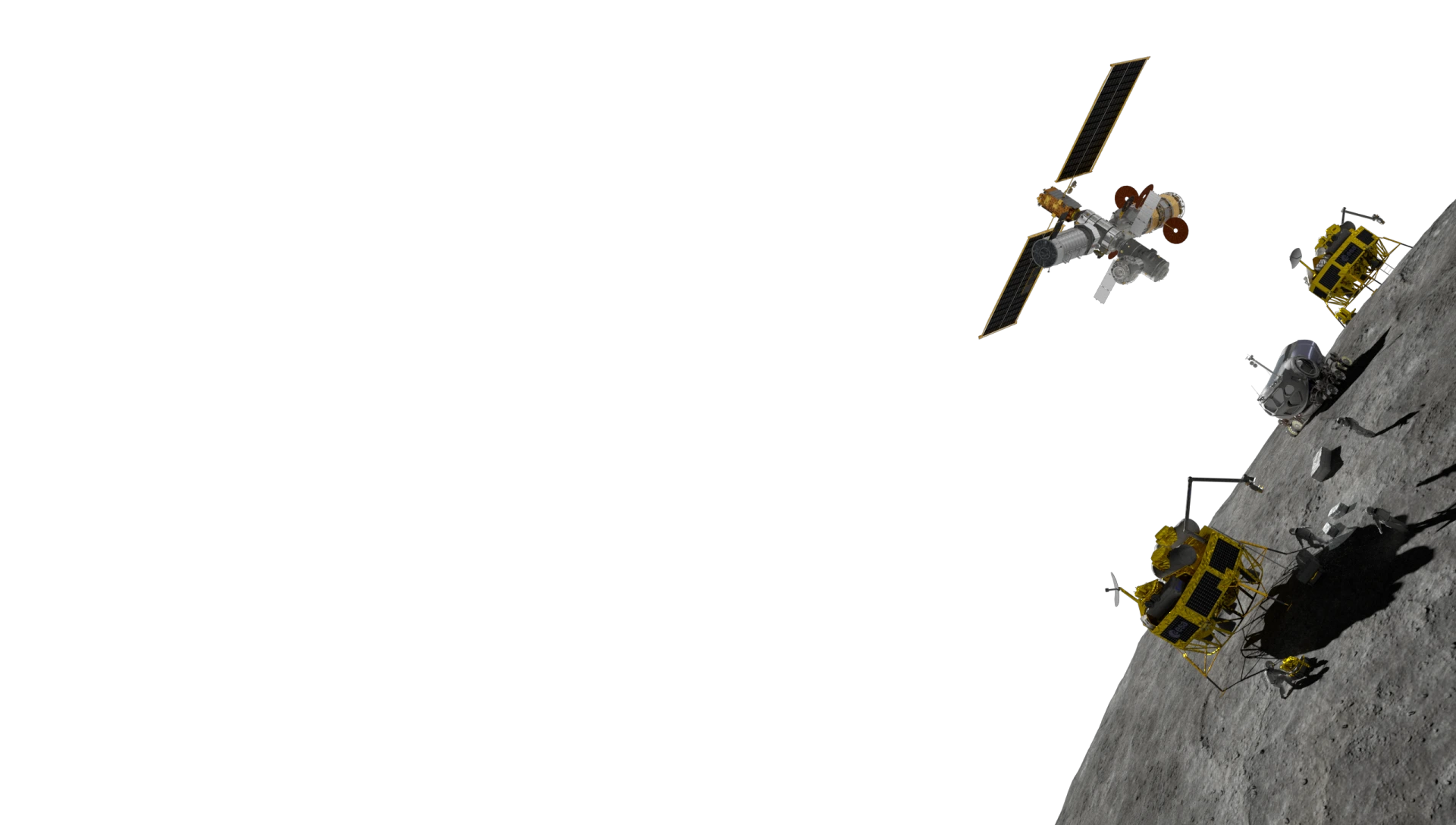
Digital Twin of the Moon

Where science, technology, and imagination converge.

The project

We are entering a new space race, with renewed global interest in the Moon. As countries and private companies prepare for new lunar missions and a future lunar economy, reducing risk and cost is crucial.

Digitization can be a game-changer in this. Technologies like digital twins, AI-driven simulations, seamless data exchange, and immersive interfaces can make space exploration safer, smarter, more collaborative, and more affordable.

Much like Europe’s Destination Earth (DestinE) initiative is building a digital twin of the Earth, our core consortium—TU Delft, DLR, ADS, TerraSigna, SCN Avatar and ATG, supported by Zuid-Holland and Bremen—proposes to develop a comparable digital twin of the Moon. This authoritative digital ecosystem will support lunar exploration, science, and commercialization, foster collaboration among European stakeholders, enable seamless information exchange, and enhance Europe’s competitiveness. It will align and support both existing and new activities in a joint program.

Mission

The digital twin of the Moon aims to offer the following key benefits:

  • Unprecedented de-risking possibilities for key stakeholders such as ADS, OHB and ESA, among others, lowering overall mission cost proportionally at the same time.
  • Alignment of European initiatives in the field of Lunar science and exploration by creating an authoritative repository of Lunar data embedded in a holistic multi-scale model of the moon.
  • Safe and efficient exchange of data between all stakeholders involved, enabling integration and interoperability between mission assets and scientific models in order to foster collaboration in both domains.
  • Major contribution to the further development of a decentralized European digital ecosystem, leveraging on initiatives such as Gaia-X.
  • Enhanced collaboration, in-situ decision-making, mission training and operations planning in an immersive, industrial metaverse, that serves as an interface to Lunar data, lunar assets and Lunar missions.

Use Cases

lunar science preparation

DT Moon empowers users to create highly accurate, data-driven models of lunar environments, supporting both research and mission planning. By integrating artificial intelligence, advanced physics simulations, and real-world datasets, we enable detailed modelling of a wide range of lunar phenomena — from dust dynamics and surface composition to gravitational fields and thermal properties. This comprehensive approach allows scientists, engineers, and mission planners to simulate and analyse complex lunar scenarios with unprecedented precision. The platform’s flexible architecture supports the incorporation of new data as it becomes available, ensuring models remain current and relevant. Users can visualize and interact with these models, facilitating innovative research, risk assessment, and the optimization of mission strategies.

Mission design, optimisation & validation

Having a detailed, accurate model of the Moon — both geometrically and physically—significantly enhances the planning and execution of exploration missions. By capturing the Moon’s surface features, terrain variations, and physical properties in high resolution, mission designers and scientists can simulate and analyse potential landing sites, navigation routes, and operational scenarios with much greater confidence. This level of detail allows for the identification of hazards, optimization of resource allocation, and the development of contingency plans, all of which contribute to safer and more efficient missions. Furthermore, a comprehensive lunar model supports the integration of real-time data and the testing of mission hardware and procedures in a virtual environment before deployment. Ultimately, such a model reduces uncertainties, minimizes risks, and enables more ambitious scientific and commercial activities on the Moon, paving the way for sustainable and successful lunar exploration.

Training for astronauts and robotics

Prepare astronauts, scientists, and AI systems for the next era of space travel with our advanced simulation platform. Designed to provide a highly realistic training ground, our solution supports a wide range of lunar operations—from robotic exploration and remote sensing to complex human missions on the Moon’s surface. By replicating authentic lunar conditions, including terrain, gravity, and environmental variables, users can practice mission scenarios, refine operational procedures, and develop problem-solving skills in a safe, controlled environment.

Our immersive training experience ensures that both human crews and AI systems are fully equipped to handle real-world challenges, reducing risks and increasing mission success rates. The platform also supports collaborative exercises, enabling teams to coordinate and adapt to unexpected situations.

Synthetic data generation for AI training

An accurate geometrical model of the Moon is essential for generating high-quality synthetic data, which is crucial for training artificial intelligence systems. Due to the limited availability of real lunar data, especially for rare or extreme scenarios, synthetic datasets created from detailed digital models can fill critical gaps. By simulating the Moon’s surface features, terrain variations, and environmental conditions with precision, researchers can produce diverse and realistic training data for AI algorithms. This enables the development of robust machine learning models capable of interpreting lunar imagery, predicting surface interactions, and supporting autonomous mission operations. As a result, AI systems trained on synthetic data derived from accurate lunar models can perform more reliably in real-world lunar missions, enhancing navigation, hazard detection, and scientific analysis. Ultimately, this approach accelerates innovation and reduces risk in lunar exploration by overcoming the limitations imposed by scarce real-world data.

The team

The key consortium for the Digital Twin of the Moon presently consists of TU Delft, DLR, ADS, TerraSigna, SCN Avatar and ATG, with support from the regions of Zuid-Holland (NL) and Bremen (DE), and with active interest from a number of other organizations. However, the initiative is open for others to join.

Become part of the team

2025

2026

2027

2028

2029

2030

Roadmap

Start of the initiative, core consortium formed

Phase 1: Lunar Environment Reference Model PoC

A detailed scientific Lunar Environment Reference Model (LERM) Proof of Concept (PoC) is developed that combines geometric and physical data to accurately represent the Moon’s surface and environment.

Phase 2: Lunar Metaverse PoC

Serving as a frontend to the LERM PoC a Lunar metaverse PoC is developed, providing immersive access to lunar datasets and assets.

Full DT Moon development

Combining both LERM PoC and LM PoC into a full immersive and representative digital version of the moon which is updated regularly with new data insights from missions and observations.

Full DT Moon development (continued)

Combining both LERM PoC and LM PoC into a full immersive and representative digital version of the moon which is updated regularly with new data insights from missions and observations.

And onwards

Use of DT Moon for design, training and planning of future missions.

Frequently Asked Questions

What is a Digital Twin?

-

+

A digital twin is a virtual replica of a physical object, system, or process that updates in real time using data from sensors and simulations. It enables monitoring, analysis, and optimization by mirroring real-world behaviour in a digital environment.

What is the benefit of having a Digital Twin of the Moon?

-

+

Click the link below for more information about the benefits of having a Digital Twin of the Moon.

click here

Is the development of the Digital Twin of the Moon already ongoing?

-

+

The organisations presently involved in the initiative are individually developing building blocks which may become part of the Digital Twin of the Moon. For the development of the Digital Twin itself, further funding is still required.

Can my organisation join the Digital Twin of the Moon initiative?

-

+

Yes! The initiative is open for others to join. To express you interest, please contact us by clicking the link below:

click here

My organisation has (software) building blocks which could be useful for the development of the Digital Twin of the Moon. Can these be integrated in the solution?

-

+

Yes! If your (software) building blocks are of potential use to the Digital Twin of the Moon, please contact us at

click here

Is there no Digital Twin of the Moon available yet?

-

+

No. Whereas there are various Lunar datasets and simulation models in existence, there is no single, comprehensive environment or initiative to make these available for stakeholders involved in the design of Lunar missions.

(How) is the Digital Twin of the Moon related to DestinE, the Digital Twin of the Earth?

-

+

There is presently no hard relation between the Digital Twin of the Moon and DestinE. However, in the development, the Digital Twin of the Moon aims to leverage on DestinE solutions where possible.

When is whole thing operationalized?

-

+

We are presently aiming for 2030 and onwards, although initial version might be available from 2026/2027 onwards.

Is your question not listed here? Sent us a message after pressing the button below.

Ask a question click here

Contact

Have questions about the Digital Twin of the Moon project? Want to collaborate or learn more? We’d love to hear from you!

Send an e-mail to the address listed below, and our team will get back to you as soon as possible.